Parker River Wildlife Refuge
A graphic composition introducing the various species of interest observed at Parker River Wildlife Refuge and a map of the preserve.
Parker River Wildlife Refuge is a miraculous haven of 4,700 acres of pristine, preserved land. Its diverse habitat includes sparkling beaches with pounding surf, impressive swirling dunes, rugged maritime forests, and vibrant salt marsh.
The view looking southwest towards Ipswich from Parker River Wildlife Refuge. Essex Bay is shaped by the Plum Island, which reaches south from the Merrimack River to the mouth of the Essex River and Cape Ann.
Located on the North Shore, Parker River Wildlife Refuge is spit of land tucked between the mouth of the Merrimack River and Essex Bay in Newburyport, MA. It is comprised of the barrier beach of Plum Island that juts into the Atlantic surf and over 3,000 acres of New England’s largest contiguous salt marsh, the Great Marsh.
Salt marshes are one of the most productive ecosystems on earth, providing critical habitat for fish and wildlife, clean water, protection from storms, and carbon sequestration.
A male red-winged blackbird issues a warning call.
Parker River Wildlife Refuge is a major stop on the Atlantic Flyway and represents one of the most important habitats for migratory birds in New England. Its diverse habitats provide crucial feeding, resting, and nesting habitat for migratory birds and resident birds alike, and it’s especially important for endangered species like the piping plover and climate-vulnerable salt marsh sparrow.
Mallards rest among the rushes in the oppressive mid-day heat of July.
A willet feeds in the shallows of the salt marsh.
Virginia roses, a native species with fragrant blooms, line the paths through the preserve.
A Least Tern darts along the shoreline of Plum Island.
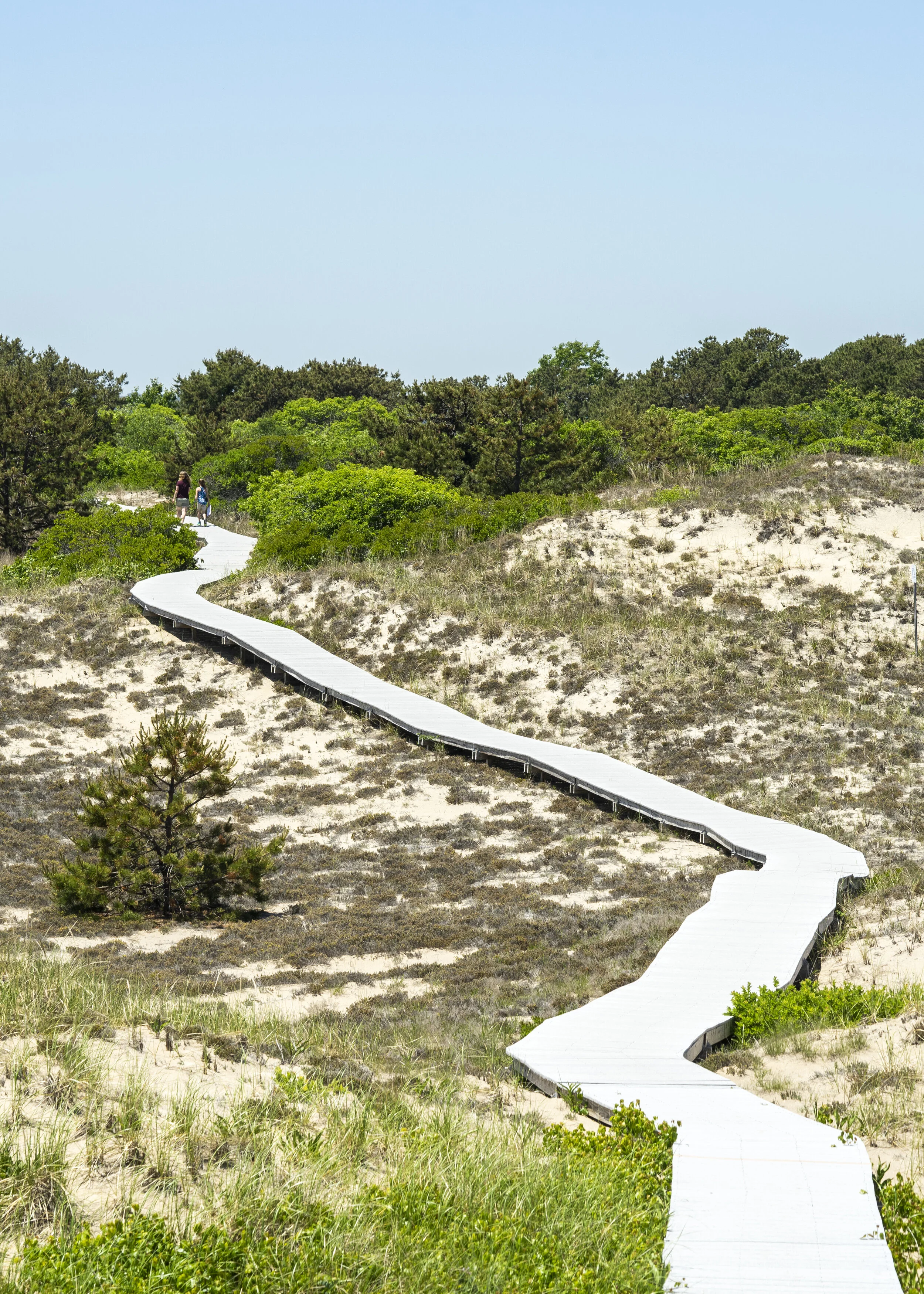
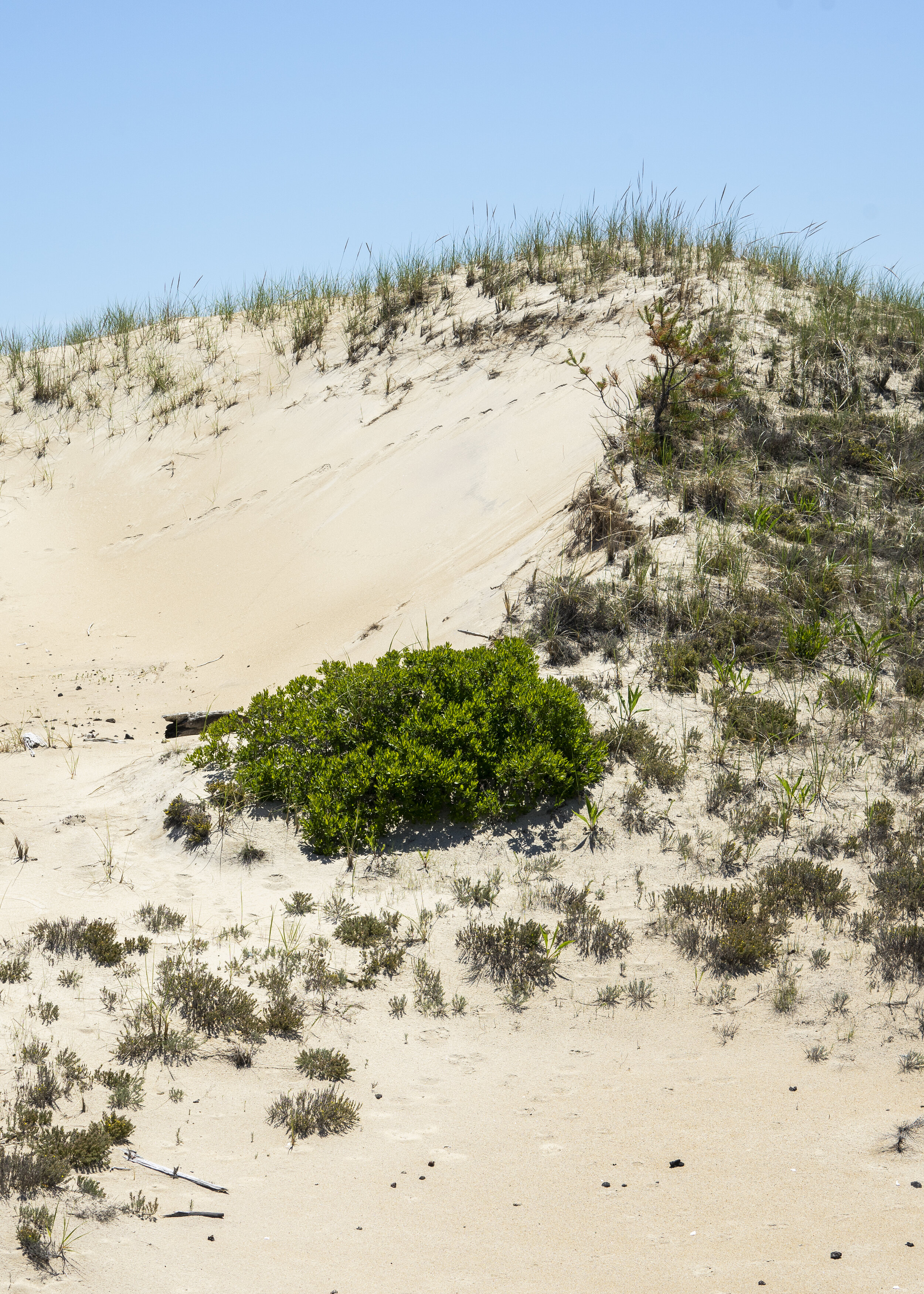
The outer barrier beaches of Plum Island, which buffer the coast from the never-ending approach of the sea, are characterized by a sandy, windswept beach that gradually ascends into sparse, exposed primary and secondary dunes that face the full onslaught of the sea, sun, and sky. Behind the shelter of the dunes are maritime forests and shrub lands, which are able to support a variety of complex native plant communities with the protection from the extreme environmental conditions of the dunes.
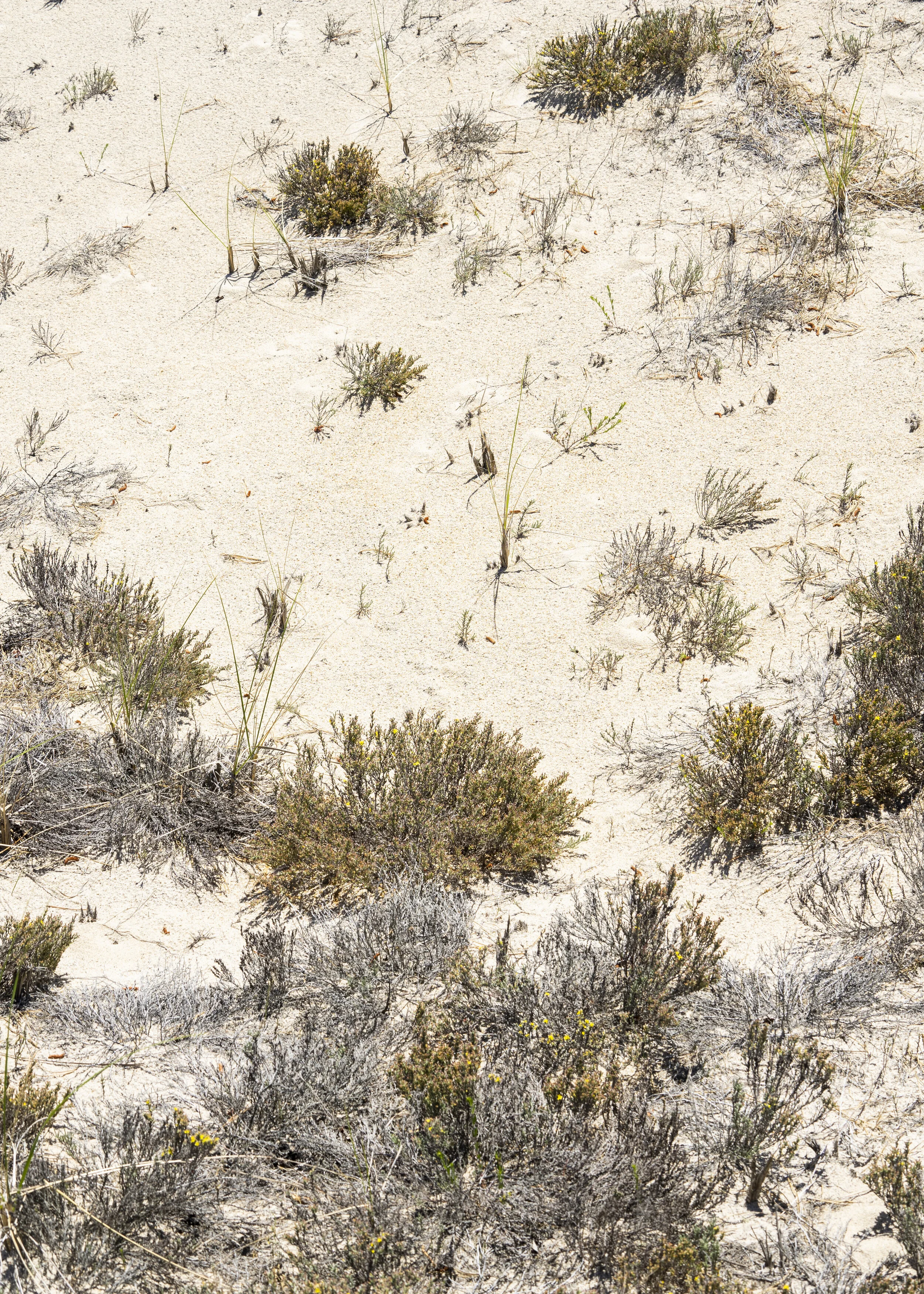
Dunes form by wind-blown sand slowly building up around plants, rocks, or other obstacles. The resulting environment is dominated by hardy grasses and scrubby plants, like beach heather, beachgrass, and the occasional stubborn shrub. These resilient plants hold together the shoreline and prevent the dune from eroding into the sea. Beach heather dominates the secondary dune land, and Beach grass, or Ammophila, covers the primary dune. Together, they create an incredibly fragile network of vital habitat for insects, birds, and other wildlife.
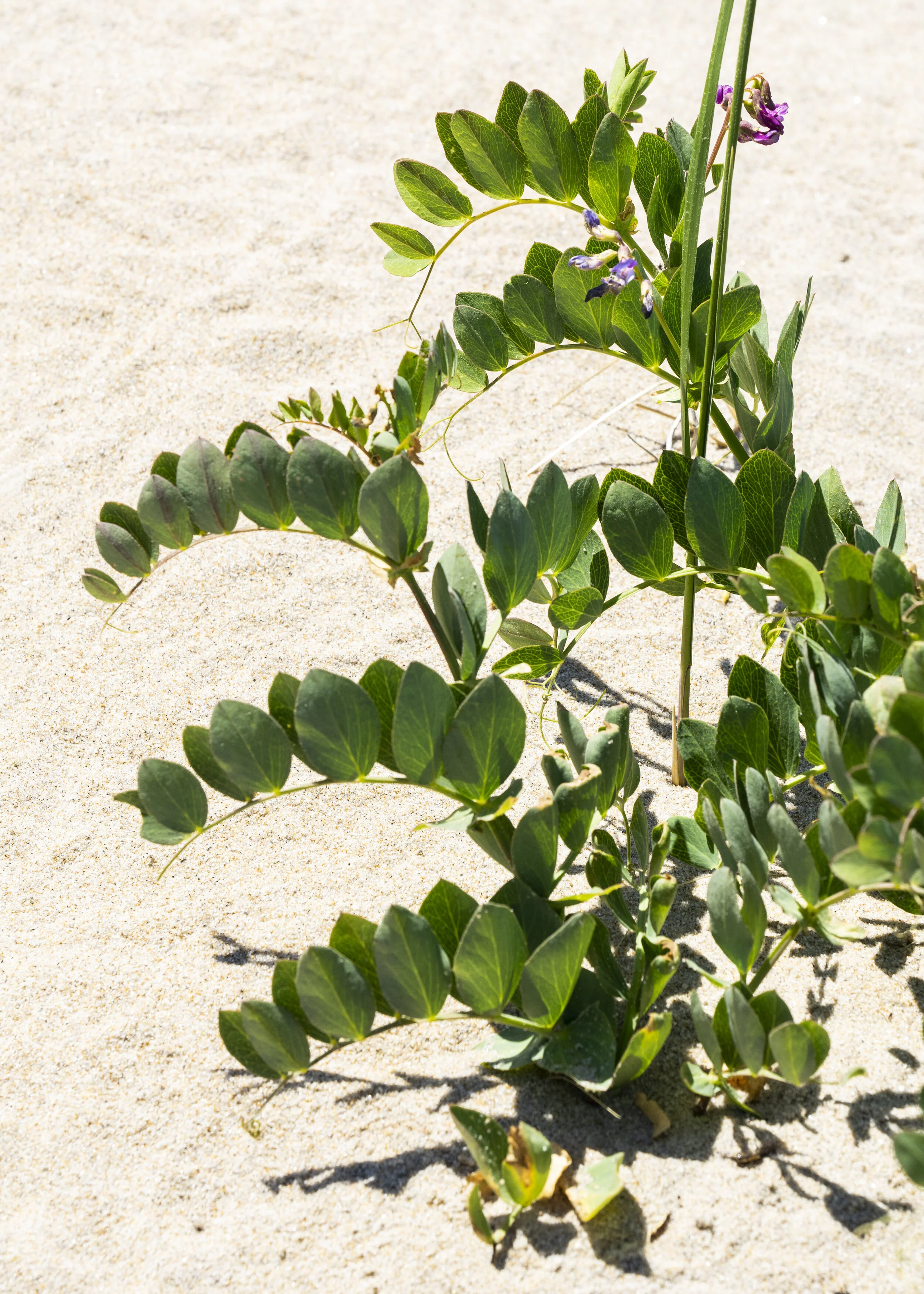
They also provide food for wildlife. Beach pea, for example, provides nectar for bees and butterflies in flower form and food for deer, mice, and birds in the form of its seeds. Beach plum, for which Plum Island gains its name, is a preferred food of the Red Fox. These are all examples of how wildlife rely on a healthy, biodiverse ecosystem to thrive.
A young piping plover chick that has not yet fledged, and is therefore particularly vulnerable to predators and human activity.
At the southernmost tip of the refuge, the estuary meets the ocean in a big spit of sand where shorebirds nest. The outer barrier beaches of Parker River are sparse, windy dune regions that face the full onslaught of wind and weather. Despite this, they provide critical habitat for the piping plover during its breeding season. Much of the outer beach is closed to the public during their nesting to ensure the delicate, fluffy chicks make it to adulthood.
An adult piping plover feeding.
An adult male piping plover.